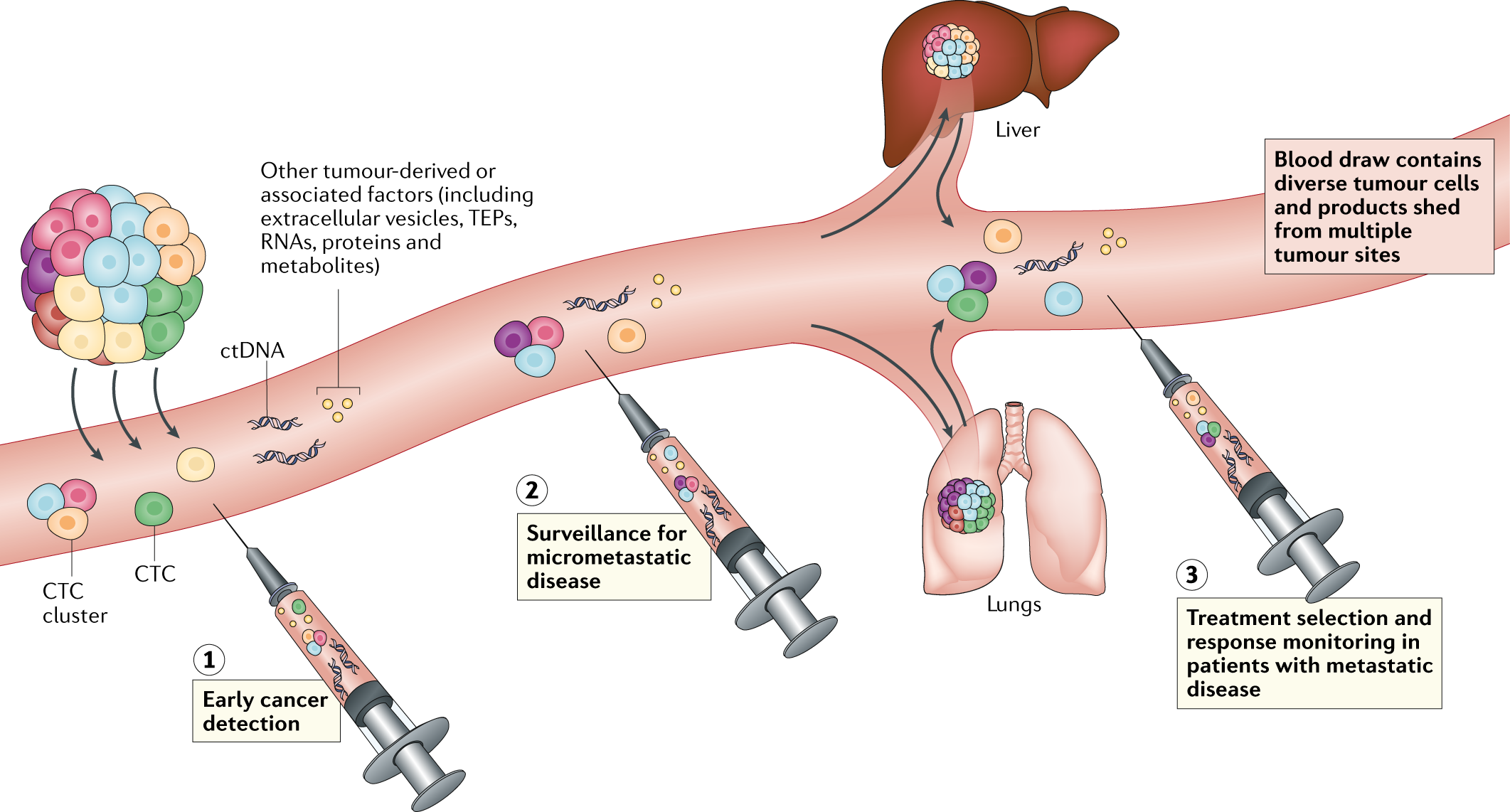
Been reading a lot about the increasing use of ctDNA tests (liquid biopsies like Signatera, Guardant Reveal) for detecting Minimal Residual Disease (MRD) after curative-intent treatment for Stage 2/3 CRC, or for surveillance. The potential for earlier recurrence detection than scans seems huge, but I also imagine it adds significant anxiety. For those whose oncologists are using it, or who’ve looked into it: What are your thoughts? Experiences? Is it becoming standard?
My oncologist at [Major Cancer Center] uses Signatera routinely for surveillance post-Stage 3 treatment (alongside scans/CEA). It’s personalized to my tumor’s specific mutations found at surgery.
- Pros: Potential to detect molecular recurrence months before scans. A ‘Not Detected’ result provides significant reassurance between scans.
- Cons: The wait for results (7-10 days) is intensely anxiety-provoking. Fear of false positives/negatives (though accuracy is reportedly high). Adds another layer of monitoring stress.
Thanks for sharing your direct experience, Christopher. That pro/con list perfectly captures the dilemma. Do you feel the earlier detection potential definitively outweighs the added anxiety for you personally? And has your team discussed a clear action plan if it does turn positive?
For me, yes, the potential benefit outweighs the anxiety, but it’s a close call some days! The plan if positive is immediate, high-res scans (PET/CT, maybe MRI) to try and locate the source, followed by discussion of treatment (likely chemo, possibly targeted therapy depending on what’s found). Knowing there is a plan helps manage the ‘what if’.
Wow, Christopher. Thanks for sharing the plan detail too. The waiting sounds rough, but having that clear “if positive, then X” path must help structure the anxiety somewhat. My fear of recurrence is high; part of me wants this test, part of me dreads another thing to worry about.
Asked my community oncologist about it. His take was: promising tech, especially for higher-risk Stage 2/3, but not quite ready for ‘standard of care’ for everyone in surveillance yet, partly due to evolving protocols on how to act on results and inconsistent insurance coverage. Said coverage is getting better but can still be a fight depending on specifics.